
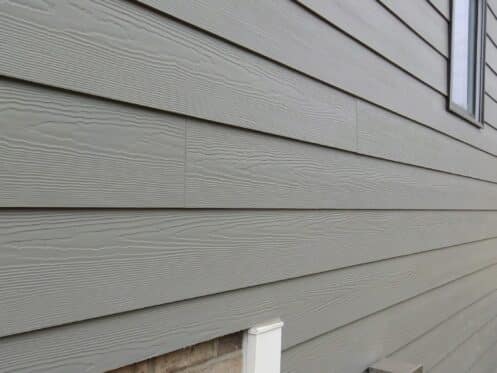
Your roof and siding may look like separate parts of your home, but they work together to help manage rain, snow, and moisture. When siding is damaged or does not connect properly with flashing near the roofline, water can find its way behind exterior materials.
Over time, that moisture can affect wall sheathing and areas next to the roof. Understanding how these systems work together can help you spot potential problems before they spread.
How Can Faulty Siding Lead to Roof Damage?
Siding is not designed to stop every drop of water on its own. Instead, it works with other parts of the exterior, including the drainage plane and flashing, to direct moisture away from the structure.
If siding becomes cracked, loose, or improperly installed, water may reach the layers behind it. The risk can be greater near places where siding meets a roof because those areas must manage runoff from more than one surface.
Once moisture gets behind the exterior wall system, it can remain in contact with materials such as sheathing. Repeated or long-term exposure can lead to deterioration. In some cases, the damage may appear to be a roofing issue even though water is entering through a nearby wall or siding connection.
Why Are Roof-to-Wall Intersections So Important?
A roof-to-wall intersection is the area where a sloped section of roof meets a vertical exterior wall. These transitions require careful water management because rain running down both surfaces collects in a relatively small area.
Step flashing helps move water from the wall and onto the roof surface, where it can continue toward the gutters or roof edge. Kick-out flashing at the bottom of the intersection helps direct concentrated runoff away from the siding.
Problems can develop when siding, flashing, and the water-resistive barrier behind the siding are not properly integrated. Water may then travel behind exterior materials instead of safely moving away from the home.
This is one reason an apparent roof leak does not always begin with damaged shingles. Looking at the entire roof-to-wall connection can help identify where moisture is actually entering.
What Signs Could Point to a Siding or Roofline Problem?
You do not need to climb onto your roof to notice possible exterior moisture problems. Many warning signs can be seen from the ground or from inside your home.
- Cracked or loose siding
- Visible gaps where siding meets the roof
- Staining or discoloration near flashing
- Deteriorated exterior materials around the roofline
- Recurring moisture or staining near an exterior wall indoors
- Siding that appears damaged or poorly finished where it approaches the roof
These signs do not confirm the source of a leak or moisture problem. Water can travel behind exterior materials before becoming visible, which can make the original entry point difficult to locate.
A professional roof inspection can help determine whether the issue involves the roofing system, siding, flashing, or a combination of components.
Can Damaged Siding Make a Small Roof Problem Worse?
A minor weakness near the roofline can become more serious when damaged siding allows additional moisture into the same area. For example, loose panels, gaps, or deteriorated material may let water reach the wall assembly while roof runoff is also being managed nearby.
When moisture comes from more than one path, it can be harder to identify the original source. Staining may appear near the ceiling or an exterior wall even though the problem involves both the siding and the roof-to-wall connection.
That is why it is important to look at the surrounding exterior instead of focusing on one material alone. Checking the siding, flashing, and nearby roofing together can help reveal whether multiple components are contributing to the same moisture issue.
Why Does Davenport Weather Make These Details Important?
Homes in Davenport experience rain, snow, freezing temperatures, and significant seasonal temperature changes. These conditions do not automatically cause siding or roofing problems, but they can expose weaknesses that are already present.
Spring precipitation can place added demand on roof drainage and exterior water-management details. During colder periods, exterior materials also experience freezing conditions and temperature changes.
Keeping siding and flashing in good condition helps these exterior systems continue directing moisture away from vulnerable areas of the home.
Should You Inspect the Siding and Roof Together?
When moisture appears near a roofline or exterior wall, evaluating both the siding and roofing can provide a clearer picture of the problem. Focusing only on the shingles could overlook an issue with siding or flashing nearby.
Evenhouse Roofing has served Davenport homeowners since 2015 as a family-owned roofing company built on hands-on experience, honest pricing, and transparency. We provide thorough roof evaluations and can also help when your home needs siding replacement.
If you are concerned about siding, flashing, or roofline moisture, contact us to request an evaluation for your Davenport home.