
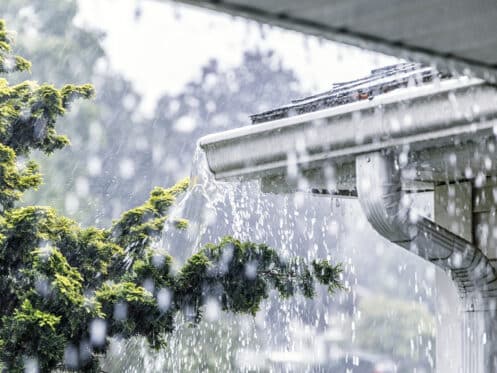
It only takes one intense Iowa thunderstorm to reveal whether a gutter system is doing its job. When rainwater pours off the roof faster than gutters can handle it, homeowners may notice water spilling over the edges, pooling near the foundation, or washing out landscaping. While many people focus on the condition of their gutters, the size of the system is just as important.
Properly sized gutters are designed to manage the volume of water your roof collects during heavy rainfall. In a region like Davenport, where strong storms can produce significant rainfall in a short period, having the right gutter system can help protect your home from costly water-related damage.
What Happens When Gutters Are Too Small?
Gutters that are undersized for a home’s roof area or drainage needs may struggle to move water efficiently during heavy rain. Even if the gutters are clean and free of debris, they can become overwhelmed when runoff exceeds their capacity.
One of the most common signs of undersized gutters is overflow. Instead of flowing through the gutter and downspout system, water spills over the edges and lands directly around the home’s perimeter. Over time, this can contribute to several problems, including:
- Foundation settlement concerns caused by excessive moisture.
- Soil erosion around landscaping and flower beds.
- Water stains and deterioration on siding.
- Damage to fascia boards and soffits.
- Increased risk of basement or crawl space moisture issues.
- Pooled water near walkways and entry points.
Because these issues often develop gradually, homeowners may not immediately connect them to a gutter system that lacks sufficient capacity.
How Professionals Determine the Right Gutter Size
Choosing the proper gutter size involves much more than selecting a standard product off the shelf. Professional installers evaluate several factors to determine the most effective solution for a specific property.
One of the biggest considerations is roof area. Larger roofs collect more rainwater, which means the gutter system must be capable of handling a greater volume of runoff.
Roof pitch also plays an important role. Steeper roofs shed water more quickly than lower-slope roofs, increasing the amount of water entering the gutters during storms. Features such as valleys can further concentrate runoff into specific sections of the gutter system.
Roofing material matters as well. Metal roofs, for example, can shed water very rapidly compared to some other roofing systems. Because Evenhouse Roofing works with shingle, metal, flat, and other roofing systems, the team understands how different roof designs influence drainage requirements.
Downspout size and placement are equally important. Even large gutters can struggle if downspouts are undersized or positioned improperly. A well-designed system balances every component to maximize performance during heavy rainfall.
Why Heavy Davenport Rainstorms Put Gutters to the Test
Davenport homeowners are no strangers to severe weather. Throughout the spring and summer, thunderstorms can bring intense rainfall, strong winds, and hail. During these events, a roof can shed thousands of gallons of water in a relatively short period.
When gutters are not properly sized, that sudden surge of water can overwhelm the system and create immediate drainage problems. Overflowing gutters may direct water exactly where homeowners do not want it: against foundations, siding, landscaping, and other vulnerable areas.
Heavy rain is also frequently associated with severe weather events that can damage roofing systems. Following major storms, it is wise to evaluate both the roof and gutter system to ensure everything is functioning as intended. Professional storm damage inspections can help identify issues before they become larger and more expensive repairs.
Why a Customized Approach Matters
No two homes have identical drainage needs. A gutter system that works perfectly on one property may be insufficient on another due to differences in roof size, slope, architecture, and drainage patterns.
That is why a one-size-fits-all approach often falls short. The most effective gutter systems are designed around the specific characteristics of the home and local weather conditions.
Professional inspections allow contractors to evaluate how water moves across the roof and identify areas where additional capacity, larger downspouts, or other adjustments may be beneficial. Homeowners who invest in customized gutter solutions often enjoy better long-term performance and greater protection during severe weather.
Work With a Local Roofing Team That Understands Iowa Weather
When it comes to protecting your home from heavy rain and storm-related water damage, experience matters. Since 2015, Evenhouse Roofing has built a strong local reputation throughout Davenport and the surrounding area by providing honest recommendations, affordable pricing, and transparent communication.
As a founder-driven, family-oriented company rooted in hands-on roofing experience, we understand that every home has unique needs. Our team takes pride in performing detailed inspections and developing tailored solutions that align with your property’s roofing and drainage requirements. Whether your home features asphalt shingles, metal roofing, flat roofing, or another system, we focus on delivering practical recommendations designed for long-term performance.
Contact Evenhouse Roofing today to schedule an inspection and learn whether your gutter system is properly sized to protect your home during Davenport’s heaviest rainstorms.